Calm, practical advice for driving Cornwall's narrow, high-hedged lanes in larger vehicles.
For many visitors, Cornwall's narrow lanes are part of the charm. High hedges, wild flowers and sudden glimpses of the sea make for memorable journeys. But if you're driving a motorhome or towing a caravan, the lanes can feel daunting. This guide explains what to expect and how to drive them calmly and safely.
What are Cornish lanes like?
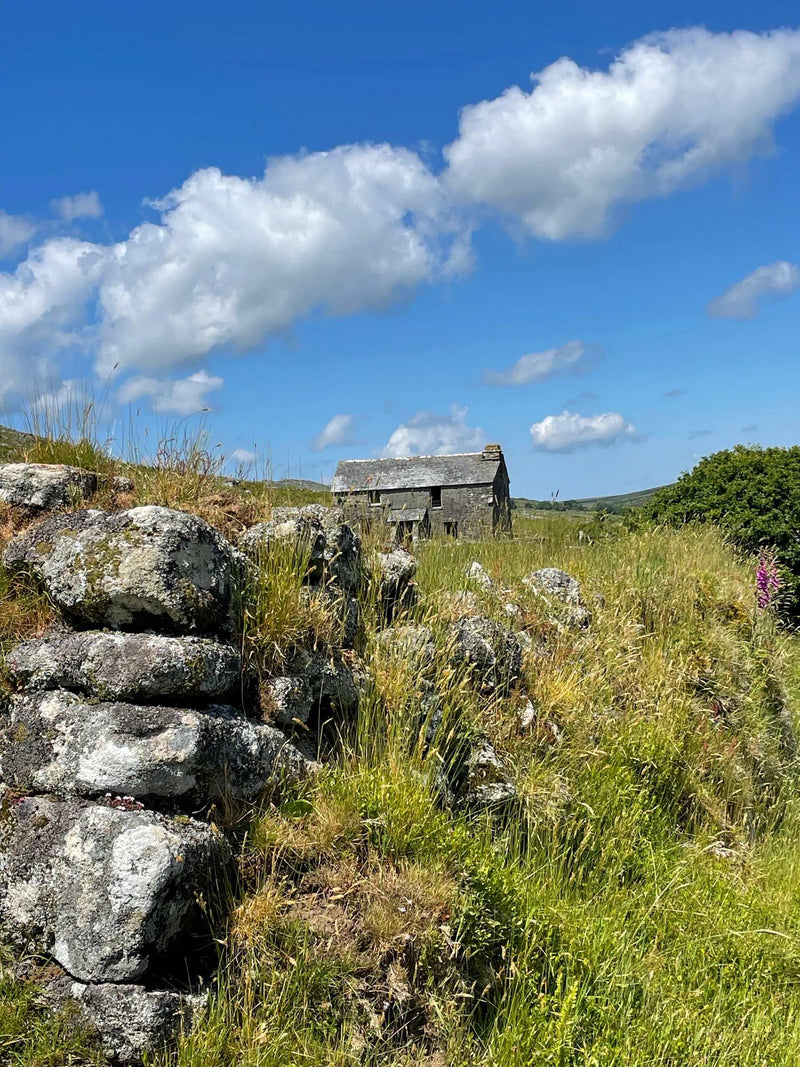
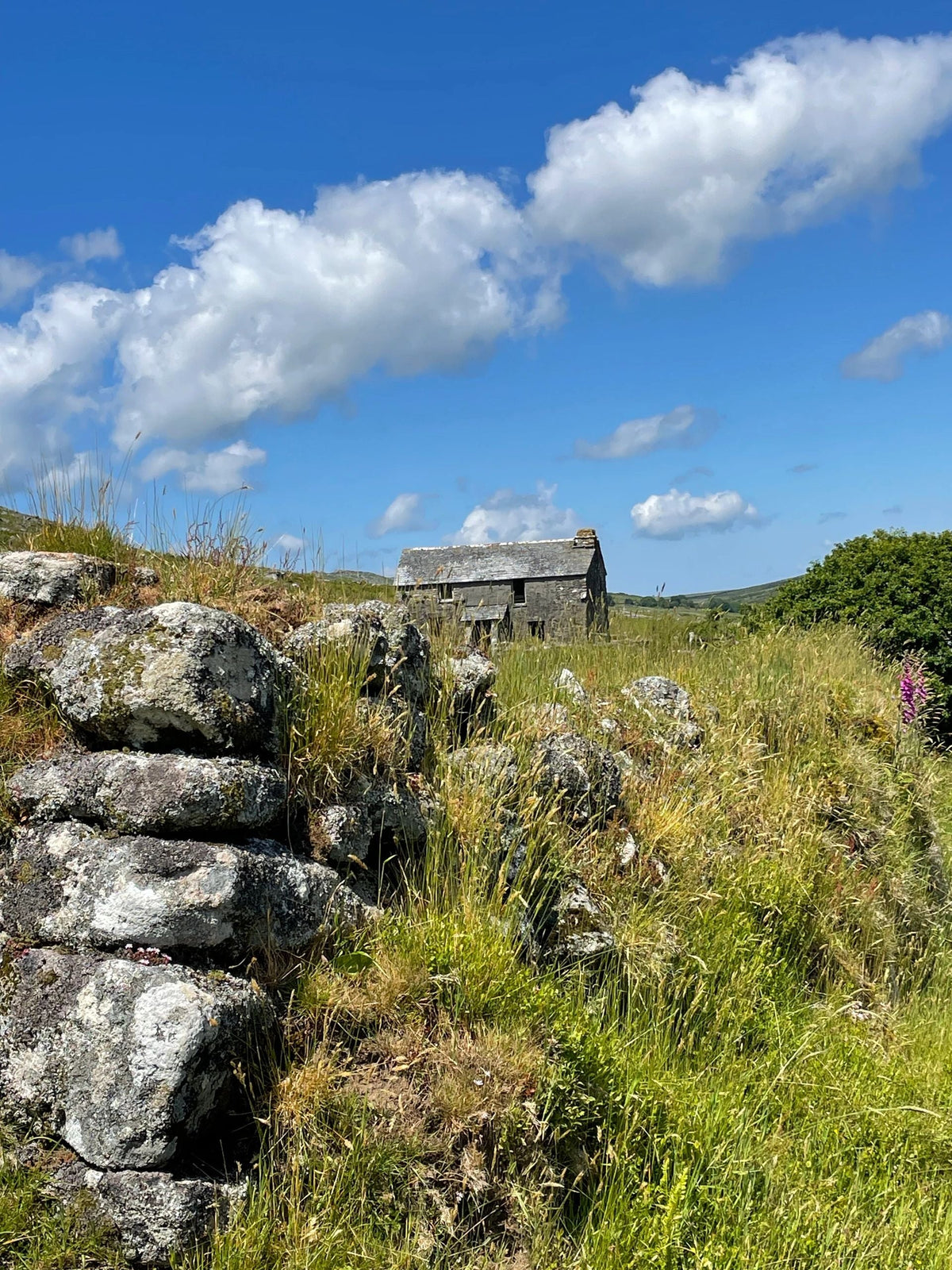
Many minor roads in Cornwall are single-track, with high stone or earth hedges on both sides. These "Cornish hedges" are solid banks, often topped with plants, so you can't pull onto a verge. Lanes can be steep and winding, with blind bends. Passing places, gateways and wider stretches let vehicles pass each other.
You'll also find farm vehicles, tractors and livestock on lanes, especially in rural areas such as ours near Boscastle.
Before you go
Plan your route
Stick to main roads, such as the A30 and A39, for as long as possible. Leave them as close to your destination as you can. Follow the campsite's own directions, which usually avoid the trickiest lanes.
Don't rely on sat nav alone
Sat navs often choose the shortest route, which may be a very narrow lane unsuitable for larger vehicles. Use a sat nav designed for caravans and motorhomes if you can, and check the route on a map before you set off. See our directions to Lower Pennycrocker Farm.
Know your vehicle
Know your vehicle's width, length and height. Fold in mirrors if you need to on very tight stretches, but be careful as you'll lose visibility.
On the lanes
Go slowly
Drive at a speed that lets you stop well within the distance you can see. On blind bends, slow right down.
Look ahead for passing places
Keep an eye on the lane ahead and note the last passing place you passed. If you meet another vehicle, you'll know where to go.
Who reverses?
There is no strict rule, but the general courtesy is:
- The vehicle closest to a passing place reverses.
- Smaller vehicles often reverse for larger ones, as it's easier for them.
- Vehicles going downhill often reverse for those coming up, as hill starts are hard.
If you're towing, reversing can be difficult. Don't be afraid to ask the other driver to reverse. Most locals are understanding.
Use passing places correctly
Pull into a passing place on your left, or wait opposite one on your right, so the other vehicle can use it. Don't park in passing places.
Watch for walkers, cyclists and horses
Slow down and give them plenty of room. Pass horses slowly and wide.
Tractors and farm traffic
You will meet tractors, especially at harvest time. Be patient. Farmers will often pull in when they can.
Parking in villages
Village streets can be very narrow. Use official car parks on the edge of villages, and walk in. Some car parks have height barriers, so check before you arrive. In Boscastle, the main car park is near the harbour. See our Boscastle parking guide.
Leave the vehicle on site
Once you've arrived, you don't have to drive your motorhome or caravan every day. Many guests leave the van on the pitch and walk, cycle or use the car. Our campsite is about half a mile from the South West Coast Path. Read our coast path guide.
Weather and lanes
After heavy rain, lanes can carry running water, mud and gravel. In autumn, wet leaves make the surface slippery. Take extra care.
At night
Lanes are unlit. Use dipped headlights at bends and full beam on straight stretches when there is no oncoming traffic. Watch for animals.
Stay calm
If you meet a queue or a tricky spot, take your time. Stop, check your mirrors, and ask for help if needed. Most drivers in Cornwall are used to the lanes and patient with visitors.
Arriving at Lower Pennycrocker Farm
We're a working farm about two miles from Boscastle, reached by country lanes. Please follow the directions on our website, and use what3words happen.violinist.inserted to find the entrance. Our reception is open from 9am to 7pm. If you have a large outfit, or are worried about the approach, call us on 07967 605392 before you set off.
Read more on our touring caravans and motorhomes page, and our guide to towing a touring caravan to Cornwall.
A quick checklist
- Plan the route and check it on a map.
- Know your vehicle's dimensions.
- Drive slowly and look ahead.
- Note passing places as you go.
- Be ready to reverse, or to ask for help.
- Use edge-of-village car parks.
- Leave the van on site for day trips if you can.
Practising reversing
If reversing a caravan or a long motorhome isn't something you do often, practise before your trip in a quiet car park. Use small steering movements, go slowly, and ask a passenger to help guide you from outside, with an agreed set of signals. A reversing camera makes a big difference in tight lanes.
Frequently asked questions
Are Cornish lanes suitable for motorhomes?
Most are passable with care, but some are very narrow. Stick to main roads and follow campsite directions.
What should I do if I meet a car on a single-track lane?
Use the nearest passing place. Whoever is closest to one usually reverses.
Should I trust my sat nav in Cornwall?
Use it with care. Check the route on a map and follow the campsite's directions.
Is the road to Lower Pennycrocker Farm narrow?
It's reached by country lanes. Follow our directions, and call us if you have a large outfit.
Coming from up country? Follow our route guide from the M5 to Boscastle.
Stay near Boscastle
Lower Pennycrocker Farm is a quiet, family-run campsite at St Juliot, about two miles from Boscastle (PL35 0BY). We welcome tents, touring caravans, motorhomes and campervans from 1 April to 31 October. Adults are £10 a night, children aged 5 and over £5, electric hook-up £7 and dogs £2 each (maximum two). Showers are free and you park beside your pitch. Check availability and book direct, or see pitches and prices.
Travelling with a rooftop tent? Read our page on rooftop tent camping in Cornwall and call us to check a pitch.
Touring by motorhome? Follow our north Cornwall motorhome route along the Atlantic Highway.